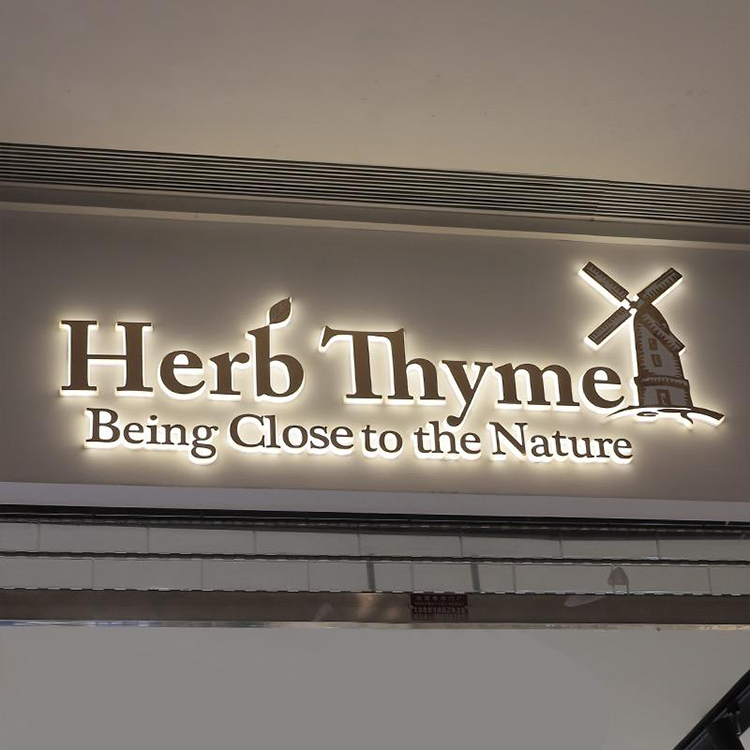
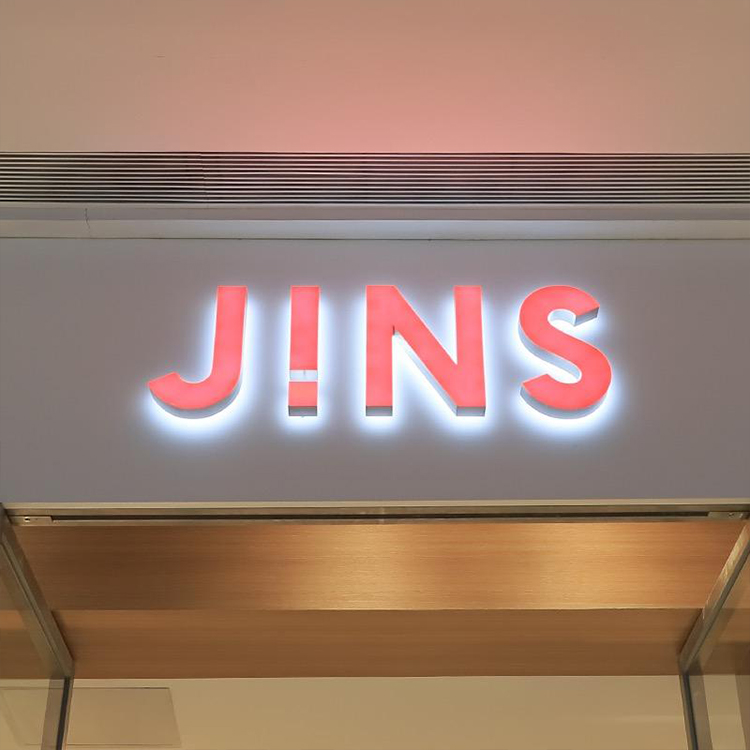
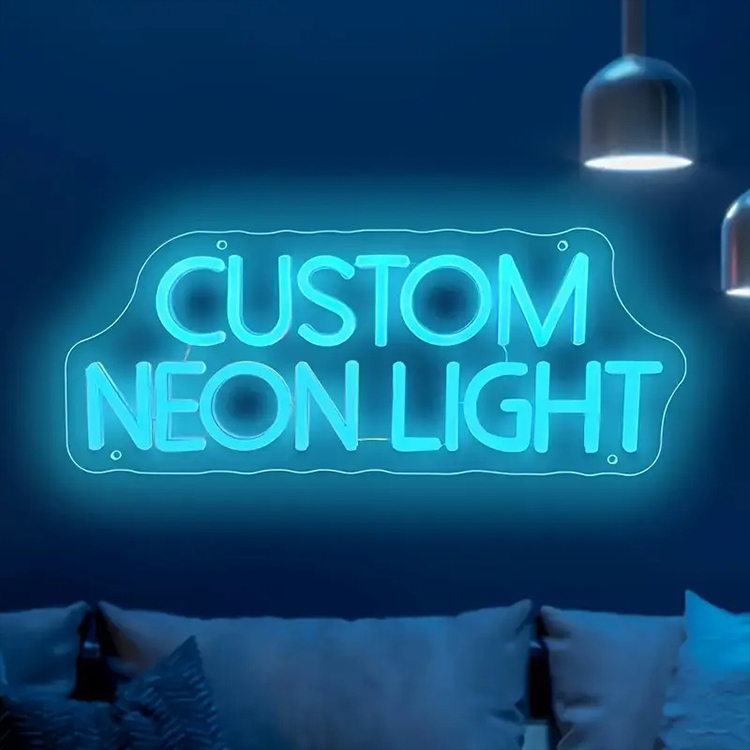
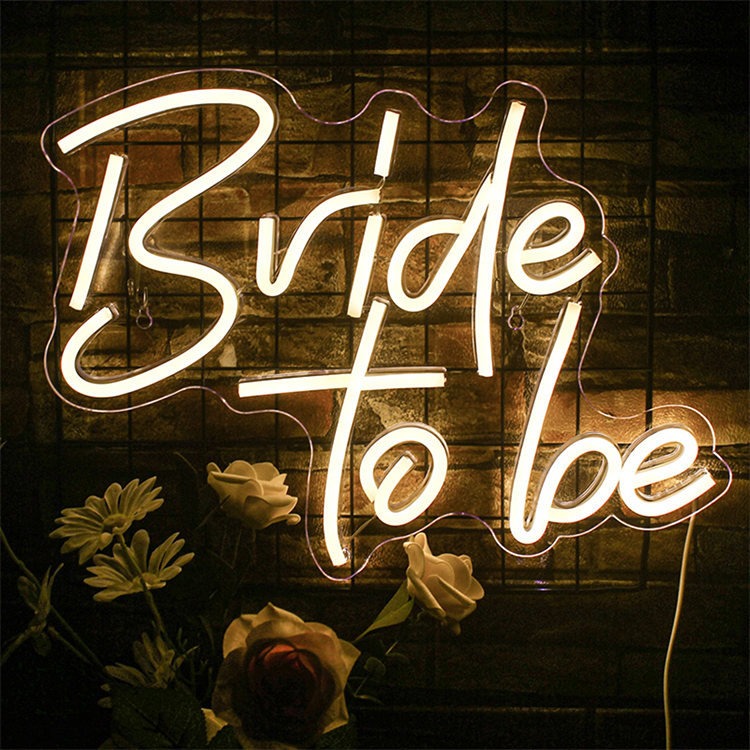
Tell us your sign type, dimensions, quantity, materials, illumination, voltage, mounting method, and delivery country. Our engineering team will review your requirements and prepare a factory quotation with recommended specifications and estimated production lead time.
Before You Leave, Get a Factory Quote
Share your drawings, dimensions, materials, quantities, illumination requirements, and delivery destination. Our signage engineering team will review your project and provide a tailored manufacturing proposal for LED letters, light boxes, pylon signs, gas station signage, or other custom sign systems.
Front-Lit vs Backlit Channel Letters: Which Should You Choose?
Choose front-lit channel letters when maximum viewing-distance visibility, brand-color reproduction, and busy-street readability matter most. Choose backlit channel letters when architecture, wall finish, and an upscale nighttime appearance matter more than raw brightness. For most retail façades, front-lit is safer. For hotels, offices, and premium interiors, halo-lit often looks better.
That is the simple answer.
The more honest answer is that buyers frequently select illuminated channel letter signs from a nighttime rendering without checking the wall material, viewing angle, local sign code, service access, or daytime contrast. Then the installed sign looks nothing like the approved artwork.
Visibility wins first.
A sophisticated halo effect may impress an architect during a design presentation, but it does little for a business whose customers approach at 40 mph, view the sign through traffic, and have only a few seconds to recognize the brand.
Why pay for subtle lighting when the site demands immediate identification?
Front-lit and backlit channel letters can use similar materials, LEDs, power supplies, wiring systems, and fabricated metal structures. The defining difference is the direction in which the light exits.
How Front-Lit Channel Letters Work
Front-lit channel letters, also called face-lit channel letters, normally use:
A translucent acrylic or PMMA face
Aluminum or stainless-steel returns
An aluminum back panel
Internal LED modules
A trim cap, trimless edge, or bonded face construction
Individual, raceway, or wireway mounting
The LEDs project light through the front face, placing the illuminated brand directly in the viewer’s line of sight. This usually produces stronger perceived brightness and clearer color recognition from a distance.
The website’s range of front-lit LED channel letters includes acrylic-faced, stainless-steel, aluminum, resin, RGB, and UV-printed constructions intended for storefronts, building façades, and interior brand walls. t. It does not need a perfect wall behind it to create the main lighting effect.
How Backlit Channel Letters Work
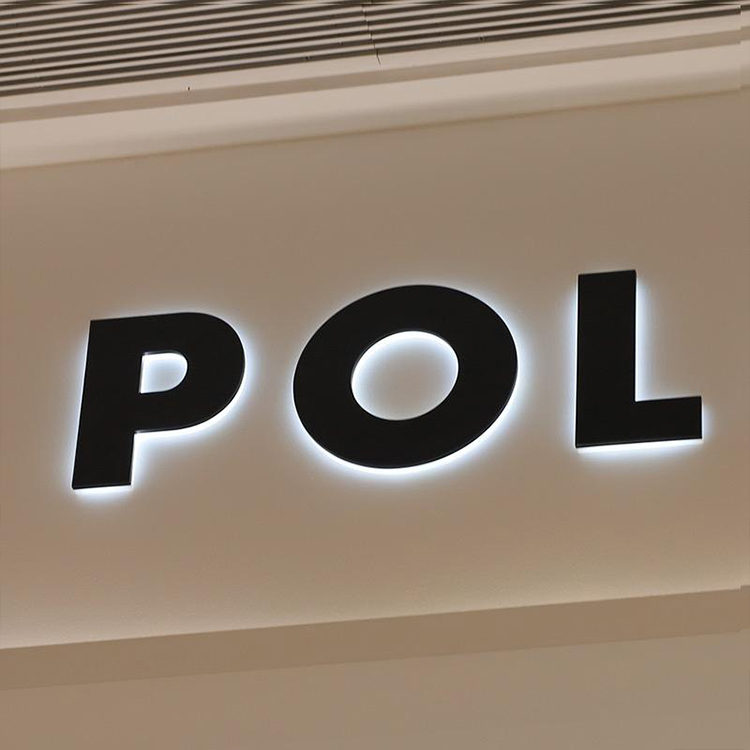
Backlit channel letters are also known as halo-lit letters, reverse channel letters, or reverse-lit channel letters.
Instead of using a translucent front face, the letter normally has a solid metal or opaque face. LED modules direct light through the open or translucent rear of the letter, and the light reflects off the mounting surface. Spacers hold each letter away from the wall to create the halo.
The result is softer and more architectural.
The website’s backlit and halo-lit channel letters can be configured with different metal finishes, LED colors, letter depths, stand-off distances, mounting templates, and electrical arrangements. es part of the optical system. That changes everything.
Front-Lit vs Backlit Channel Letters at a Glance
Decision Factor
Front-Lit Channel Letters
Backlit Channel Letters
Light direction
Through the front acrylic face
Behind the letter and onto the wall
Common alternative name
Face-lit channel letters
Halo-lit or reverse channel letters
Nighttime visibility
Strong and direct
Soft and indirect
Long-distance recognition
Usually better
Depends heavily on contrast and surroundings
Daytime appearance
Colored acrylic face is visible
Metal face delivers a solid architectural appearance
Wall dependency
Relatively low
High
Best wall type
Most flat commercial façades
Smooth, matte, light-colored surfaces
Typical brand position
Retail, restaurant, automotive, roadside
Hotel, corporate, luxury retail, reception
Fine logo details
Often easier to illuminate clearly
Small gaps and narrow strokes may weaken the halo
Visual character
Bold, commercial, immediate
Refined, restrained, architectural
Fabrication complexity
Usually lower
Usually higher due to rear spacing and reflected-light control
Installation sensitivity
Moderate
High; alignment and stand-off consistency matter
Dirt visibility
Face can show dust and streaking
Wall can reveal dirt, wiring shadows, or uneven halos
Dual-light option
Can be combined with rear lighting
Can be combined with a translucent front face
This comparison is intentionally blunt: front-lit signs are generally better communicators, while backlit signs are generally better architectural objects.
There are exceptions. Plenty of them. But that distinction prevents many expensive mistakes.
Why Front-Lit Channel Letters Usually Win on Busy Streets
A front-lit sign puts illuminated copy where people are already looking. That sounds obvious, yet buyers routinely underestimate how much surrounding light competes with a storefront sign.
Streetlights, vehicle headlights, neighboring signs, digital displays, illuminated windows, and canopy lighting all reduce visual contrast. A delicate halo can disappear into that background.
Front-lit letters are the safer choice for:
Roadside retail stores
Shopping-center tenants
Restaurants operating after dark
Automotive dealerships
Convenience stores
Pharmacies
Fitness clubs
Multi-location retail chains
Businesses viewed from parking areas or moving vehicles
I would also choose front-lit when the logo depends on a specific red, blue, green, or multicolor face. Translucent acrylic, printed vinyl, UV printing, perforated film, and pigmented resin provide more control over the visible illuminated color than a halo alone.
But brightness is not automatically quality.
Poor LED spacing creates hot spots. Inadequate return depth exposes individual modules through the face. Cheap acrylic can shift brand colors. Weak bonding, incorrect drain design, undersized wiring, and badly positioned power supplies can turn a good drawing into a maintenance problem.
That is why a buyer should examine more than the render. The approved documentation should identify face material, return material, letter depth, LED model, LED spacing, voltage, power-supply loading, cable route, drainage, mounting pattern, and service method.
The site’s broader custom LED letter sign range covers front-lit, backlit, dual-lit, resin, and logo-sign configurations, allowing these specifications to be matched to the actual application rather than forcing every project into one construction method. annel Letters Are Worth the Extra Work
Backlit channel letters should not be treated as weaker front-lit letters. They solve a different design problem.
They work best when the building itself is part of the brand presentation.
Good applications include:
Hotel entrances
Corporate headquarters
Office reception walls
Premium shopping centers
Luxury retail stores
High-end restaurants
Showrooms
Architectural feature walls
Museums and cultural properties
Wellness, beauty, and professional-service brands
A solid stainless-steel, brushed aluminum, titanium-coated, painted, or plated letter face can look expensive during the day without depending on colored acrylic. At night, the rear halo separates the letter from the wall and creates depth.
Subtle sells here.
Backlighting can also reduce the bright “plastic face” appearance some architects dislike. For restrained corporate identities, that is a real advantage.
But halo-lit photographs can be misleading. A camera exposure taken in a dark room may show a dramatic glow that becomes far less visible after installation beside shop windows, landscape lighting, vehicle traffic, or an illuminated canopy.
The halo must be judged under realistic ambient conditions.
The Wall Is Part of the Sign
A backlit letter does not create its final appearance by itself. The mounting surface controls how the light reflects and spreads.
Smooth, matte, light-colored walls generally create the cleanest halo. Difficult surfaces include:
Dark stone
Black composite panels
Corrugated metal
Deep brick joints
Highly polished stainless steel
Reflective glass
Irregular natural stone
Closely spaced vertical cladding
Walls interrupted by seams or structural ribs
A dark surface absorbs more light. A glossy surface may create bright reflections. A heavily textured wall breaks the halo into uneven patches.
And no, increasing LED output does not always fix the problem. More power can create glare, sharper hot spots, visible module patterns, and higher thermal stress without producing a smoother halo.
A physical sample is often more valuable than another rendering. Test one full-size letter on the real wall material, at the proposed stand-off distance, using the specified LED color temperature and power supply.
That sample may save the entire project.
Front-Lit vs Halo-Lit Signs: What the Energy Data Really Means
Both front-lit and backlit channel letters now commonly use LED illumination, so general LED efficiency does not prove that one construction is automatically cheaper to operate than the other.
The U.S. Department of Energy reports that qualified LED lighting can use at least 75% less energy and last up to 25 times longer than incandescent lighting. DOE also states that good-quality white LED products are commonly expected to deliver approximately 30,000 to 50,000 operating hours or more. See the official DOE LED lighting guidance. ort LED technology generally. They are not permission to accept an unverified “50,000-hour sign” claim.
An LED module may survive while the system fails because of:
Driver or power-supply failure
Water ingress
Corroded connectors
Excessive internal temperature
Incorrect loading
Poor heat dissipation
Cable damage
Loose terminals
Color shift
Adhesive failure
DOE research has warned that LED lifetime and reliability are not the same thing, and that lumen reduction or color change may occur gradually rather than through a sudden lamp failure. le: ask for system specifications, not just an LED lifespan printed on a sales sheet.
For applicable projects, Custom Signage Factory states that signs can be configured with IP68 LED modules rated at 110 lm/W and IP65 Mean Well power supplies, with final components confirmed in the quotation and approved bill of materials. That is the right procurement structure—the named components must appear in the approved documents, not merely on a website. ty and Sign-Code Approval Come Before Fabrication
The most beautiful letter is useless if the local authority rejects it.
For projects in the United States, buyers should discuss UL 48, UL 879, UL 879A, NEC Article 600, local electrical requirements, disconnect locations, grounding, field wiring, access, drainage, and listing or labeling responsibilities with the manufacturer and installer.
UL Solutions identifies:
UL 48 for electric signs
UL 879 for electric sign components
UL 879A for LED sign and retrofit kits
ANSI/NFPA 70 Article 600 for electric signs and outline lighting
The official UL electric sign certification overview explains these standards and their relationship to sign components and installations. y city permits every illumination style.
A 2024 sign ordinance published by Mulberry, Georgia, for example, identifies channel lighting, halo lighting, routed push-through lighting, and external illumination as permitted illumination categories. That does not establish a national rule; it demonstrates how specifically a local code may define acceptable lighting methods. Review the Mulberry sign ordinance before assuming that “illuminated letters” is a sufficient project description. affect how sign regulations are treated legally. In City of Austin v. Reagan National Advertising of Austin, decided on April 21, 2022, the U.S. Supreme Court held that Austin’s on-premises and off-premises distinction was facially content-neutral under the analysis applied in that case.
The ruling did not decide whether front-lit or backlit letters are preferable. It does reinforce a practical point: sign regulation can depend on where a sign is placed and how local code classifies it. Read the official Supreme Court opinion. y having jurisdiction before releasing metal, acrylic, LEDs, or tooling.
Should You Consider Dual-Lit Channel Letters?
Dual-lit channel letters combine a translucent front face with rear halo illumination. They can provide direct visibility and architectural depth at the same time.
The visual effect can be excellent.
The website’s dual front-lit and backlit channel letters are described as configurable in acrylic faces, metal returns, LED colors, finishes, mounting distances, letter depths, and electrical specifications. makes sense when:
The sign must be readable from a distance
The property has a premium façade
The brand wants both direct color and a white or colored halo
The installation is a flagship location
The signage budget can absorb added fabrication and wiring complexity
Maintenance access is properly designed
It makes less sense when the buyer is adding rear lighting merely because the rendering looks expensive.
More lighting means more components, more wiring, more heat, more possible failure points, and more work during installation. The additional visual effect must justify that complexity.
Sometimes it does. Sometimes it absolutely does not.
Which Channel Letters Are Best for Your Business Type?
Retail Stores and Shopping-Center Tenants
Choose front-lit letters in most cases. Shopping centers are visually competitive, and direct face illumination gives tenants a better chance of being recognized from access roads, parking areas, and pedestrian routes.
Backlit letters can work for luxury tenants, but only after confirming that the landlord’s façade material produces a clean halo.
Hotels and Corporate Offices
Choose backlit or reverse channel letters when the brand requires a restrained architectural appearance. Brushed stainless steel, painted aluminum, titanium-style coatings, and warm-white halos work well on reception walls and premium exterior façades.
Restaurants and Bars
The decision depends on the concept. Fast-casual and roadside restaurants usually benefit from front-lit letters. Fine dining, cocktail bars, boutique cafés, and hospitality concepts may gain more from halo-lit metal letters.
For a high-traffic restaurant façade, dual-lit letters can be justified.
Automotive Dealerships
Front-lit letters generally offer better long-distance recognition, especially across large lots. Dealership identity programs also require strict brand-color control, repeatable letter proportions, and consistent illumination across multiple locations.
A halo-lit automotive emblem can work well on a showroom wall, but it should not automatically replace the primary identification sign.
Multi-Location Brand Programs
Choose the construction that can be reproduced, installed, serviced, and documented consistently.
This is where procurement discipline matters more than a single beautiful sample. Approved artwork, material codes, LED specifications, color references, mounting templates, wiring diagrams, packaging methods, and inspection criteria should be retained for every repeat order.
The site’s OEM and private-label signage manufacturing service supports projects based on CAD drawings, architectural elevations, vector artwork, samples, and approved production specifications. fication Checklist
Before requesting a quotation, provide:
Vector logo files in AI, EPS, SVG, or editable PDF format
Overall sign width and height
Individual letter heights
Quantity
Installation country and project address
Interior or exterior application
Front-lit, backlit, or dual-lit preference
Daytime face and return colors
Nighttime lighting color
Required voltage
Wall material and wall color
Wall elevation or installation photo
Mounting height
Raceway, wireway, or individual mounting preference
Power-supply location
Required certifications or listings
Local sign-code restrictions
Target delivery date
Packaging and shipping requirements
For backlit letters, also provide a sample or precise description of the wall finish. Do not write “stone wall” and expect an accurate halo recommendation. Identify the stone color, surface texture, joint depth, reflectivity, panel dimensions, and mounting limitations.
For repeat programs, request a controlled bill of materials and approved sample standard.
Words are not specifications.
FAQs
Which channel letters are best, front-lit or backlit?
Front-lit channel letters are the best default for businesses needing strong long-distance visibility, clear illuminated brand colors, and dependable performance on busy retail streets, because their translucent faces send light directly toward approaching drivers and pedestrians instead of relying on the building wall to reflect a secondary halo.
Backlit letters are better when architecture and material appearance take priority. Hotels, offices, luxury retailers, and reception spaces often benefit from their solid metal faces and restrained rear glow.
Are backlit channel letters more expensive than front-lit letters?
Backlit channel letters are usually more expensive to fabricate and install because their visual quality depends on controlled rear illumination, consistent stand-off spacing, concealed wiring, accurate wall alignment, and a mounting surface capable of reflecting an even halo around every letter, symbol, and narrow section of the logo.
The final difference depends on size, depth, finish, LED configuration, mounting method, certification, quantity, and installation access. A simple metal halo-lit logo may cost less than an oversized or unusually complex front-lit sign.
Can backlit channel letters be used outdoors?
Backlit channel letters can be used outdoors when the metal construction, LEDs, wiring, power supplies, drainage, mounting hardware, sealants, and wall penetrations are engineered for the installation environment, while the selected wall surface provides enough reflectance to create a visible halo under the site’s actual ambient-light conditions.
Outdoor suitability should be confirmed against wind exposure, rain, temperature, salt air, UV exposure, service access, and local electrical rules. “Waterproof” should never replace a documented IP rating and approved construction drawing.
What is the difference between backlit, halo-lit, and reverse channel letters?
Backlit, halo-lit, reverse-lit, and reverse channel letters generally describe the same lighting principle: solid or opaque letter faces are held away from the wall while internal LEDs project light from the rear, causing the mounting surface to reflect a visible glow around the outer edges of each character.
Terminology varies among manufacturers, designers, and regional markets. The drawing should show the construction instead of relying only on the product name.
Are dual-lit channel letters better than single-illumination letters?
Dual-lit channel letters combine direct face illumination with a rear halo, making them better for projects that require both strong distance visibility and architectural depth, although they introduce additional LEDs, wiring, fabrication stages, thermal considerations, installation work, and maintenance points that must be justified by the site and brand objectives.
They are most defensible for flagship retail stores, premium restaurants, entertainment properties, automotive showrooms, and other locations where the sign is expected to function as a major architectural feature.
Do illuminated channel letters require permits?
Illuminated channel letters commonly require sign, building, landlord, planning, or electrical approval depending on the jurisdiction, property type, installation method, sign area, projection, brightness, wiring, structural loads, and whether the letters are classified as on-premises identification, wall signage, architectural lighting, or another regulated sign category.
Submit the proposed design to the local authority and property owner before manufacturing. Approval requirements can change between cities, zoning districts, shopping centers, and individual buildings.
Get a Project-Specific Channel Letter Recommendation
Do not choose between front-lit and backlit channel letters from a cropped nighttime photograph.
Send the logo, overall dimensions, quantity, wall elevation, installation height, wall material, viewing distance, lighting preference, voltage, mounting method, destination country, and required compliance information for an engineering review.
Custom Signage Factory manufactures commercial signs for sign companies, contractors, distributors, and multi-site brands. With a 20,000 m² workshop, 80+ production workers, 50+ machines, and an annual capacity of 100,000 pieces, we produce LED letters, light boxes, pylon signs, gas station signage, neon signs, and custom OEM sign systems.